
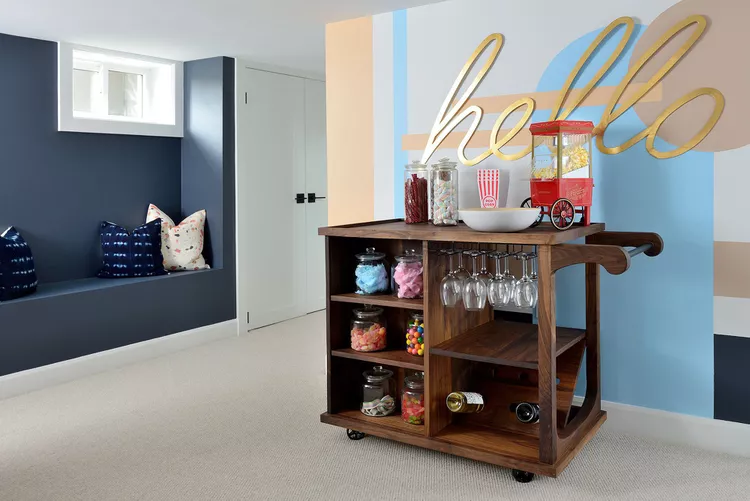
A kid-friendly snack station can make everyday routines easier without turning the pantry into a free-for-all. The best setup gives children access to a limited selection of parent-approved foods while keeping bulk groceries, meal ingredients, and fragile containers elsewhere.
Good snack station ideas for kids focus on boundaries as much as convenience. A defined shelf, drawer, or basket makes choices clear and keeps the main food storage area easier to organize.
Choose a Separate Snack Zone
Start with one clearly defined space rather than spreading snacks across several cabinets. A lower pantry shelf, refrigerator drawer, rolling cart, or small kitchen cabinet can work well.
Separating everyday snacks from bulk household supplies also makes restocking easier. Families researching broader property organization ideas may notice the same principle works throughout a home: frequently used items are easier to manage when they have a specific zone.
Keep the Selection Manageable
More choices don’t always create a better snack station. Too many packages can make the space harder for children to scan and easier to leave messy.
Try keeping a few options available at one time and storing backup packages elsewhere. This creates a simple visual limit without requiring complicated rules.
Use Small Containers Instead of Bulk Packages
Large family-size boxes take up valuable space and encourage children to dig through more food than necessary. Smaller baskets, bins, and containers make portions easier to see.
A setup inspired by organized household spaces can separate dry snacks from napkins, reusable containers, or lunchbox supplies without crowding everything together.
| Storage Choice | Useful For | Main Advantage |
|---|---|---|
| Small basket | Packaged snacks | Easy to carry |
| Clear bin | Mixed snack packs | Contents stay visible |
| Drawer divider | Bars and pouches | Prevents loose piles |
| Mini fridge bin | Chilled snacks | Creates a clear boundary |
Make Healthy Choices Easy to Reach
Accessibility affects what children choose. Put suitable everyday options at eye level while keeping occasional treats in a less prominent location.
Fruit cups, crackers, shelf-stable snacks, and other age-appropriate foods can be grouped by type. For refrigerated items, use a dedicated container so children don’t need to move meal-prep ingredients around.
Homes designed around practical family living spaces often benefit from this kind of separation because the storage system supports the routine instead of asking everyone to reorganize after every snack.
Prevent the Station From Taking Over the Kitchen
The biggest mistake is letting a snack zone expand whenever groceries arrive. Once neighboring shelves become overflow storage, the original boundary stops working.
Give the station a fixed physical limit. If the basket or drawer is full, refill it later rather than stacking extra packages beside it. Bulk packages can stay on a higher shelf or in another cabinet until needed.
Common Snack Station Mistakes
Putting every available snack within reach can make the station crowded and harder for children to maintain. Open packages, oversized boxes, and loose wrappers also create visual clutter quickly.
Avoid using containers that require complicated lids or difficult stacking. A storage system should match the child’s age and ability. If using glass, sharp clips, or heavy containers, keep them out of younger children’s independent-access zones.
Frequently Asked Questions
Where should a kids’ snack station be placed?
Choose a location children can reach safely without climbing. A lower pantry shelf, kitchen drawer, cabinet, or designated refrigerator bin usually works better than a high shelf.
How often should a snack station be restocked?
Restock when the selection becomes low rather than filling it completely every day. Keeping modest quantities available makes the station easier to organize and helps prevent packages from overflowing into nearby food storage.
Can siblings share one snack station?
Yes. Shared storage can work well when each snack category has a defined place. If children have different dietary needs or permissions, separate labeled bins may make expectations clearer.
Build a System Children Can Maintain
A useful snack station should reduce work rather than create another area adults constantly need to repair. Keep the footprint small, make everyday choices easy to identify, and store backups outside the children’s access zone.
The strongest system is one your child can understand at a glance. If snacks can be chosen and returned without disturbing the main pantry or refrigerator, the station is doing its job.
