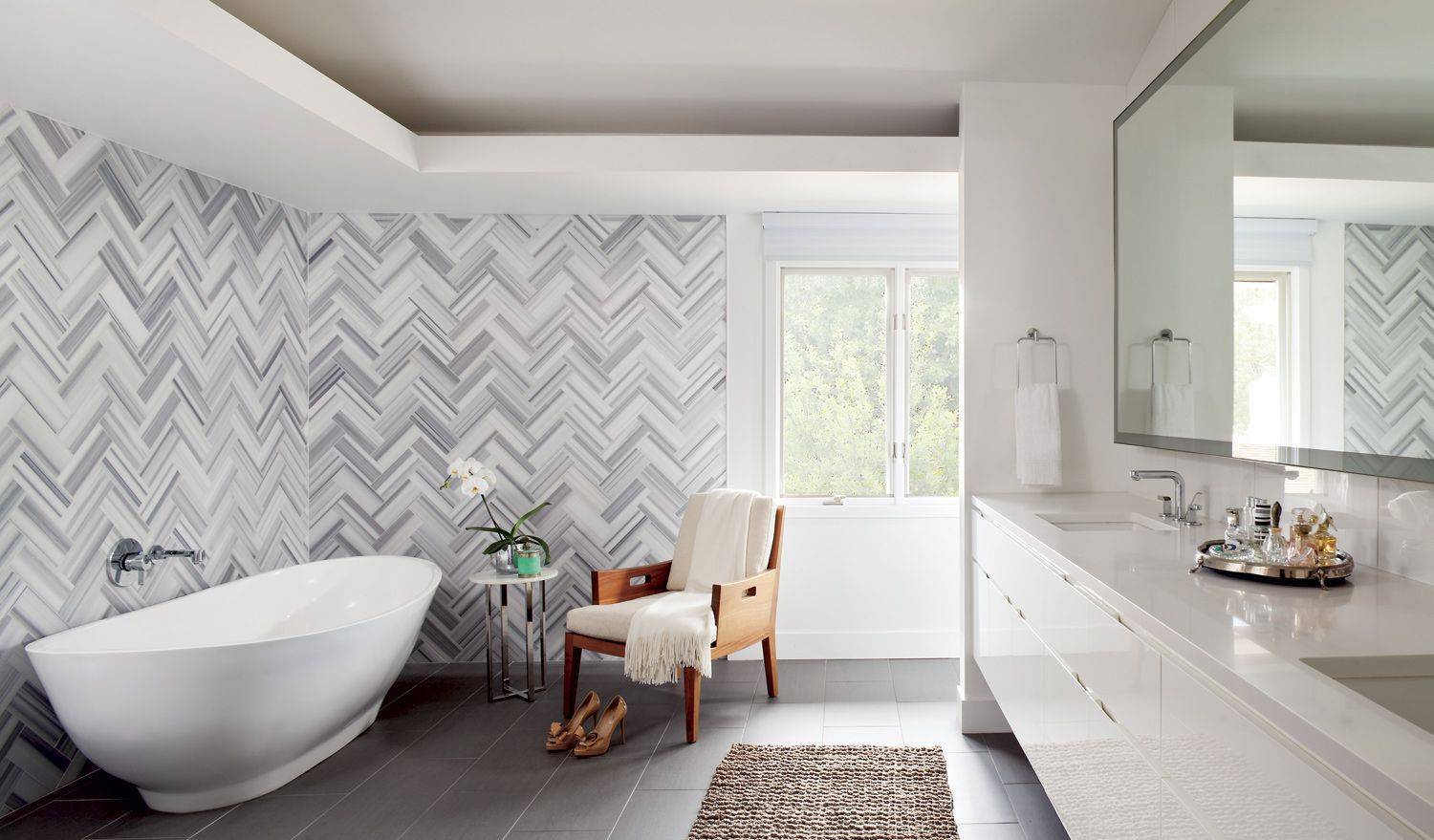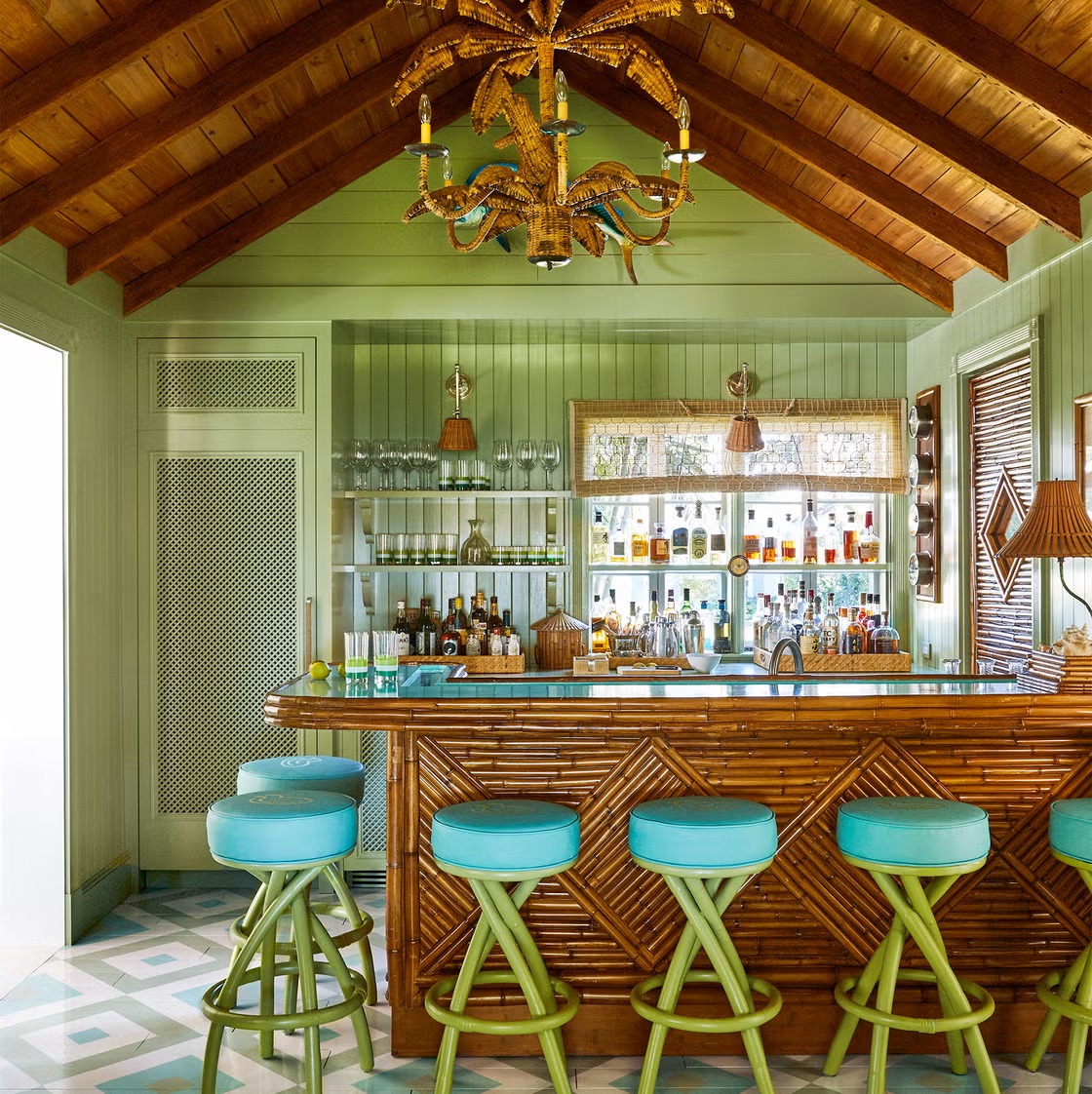
A well-planned beverage center keeps coffee, tea, cold drinks, glasses, and serving tools in one convenient place. The best home beverage center ideas aren’t about filling a cabinet with gadgets. They’re about creating a small, organized zone that makes daily routines faster while giving guests an obvious place to help themselves.
Choose the Right Location for Daily Use
Start with a spot that’s close enough to the kitchen for easy refilling but far enough from the main cooking area to prevent traffic jams. A short run of cabinetry along a dining-room wall, unused kitchen corner, butler’s pantry, or wide hallway can work.
Homes with relaxed gathering areas can borrow ideas from comfortable residential layouts where function and atmosphere share the same space. Keep frequently used mugs, glasses, and drink ingredients around waist or eye level instead of hiding them in distant cabinets.
Think About Water and Electricity
An existing outlet makes it easier to add a coffee maker, kettle, mini refrigerator, or blender. Plumbing is helpful for a sink or filtered-water faucet, but it isn’t essential for a basic station.
Separate Hot and Cold Drink Storage
Dividing the station into hot and cold zones makes organization easier. Coffee beans, tea, sweeteners, mugs, and spoons can stay near small appliances, while chilled cans, juice, sparkling water, and mixers belong in a refrigerator below.
Covered outdoor entertaining areas can also inspire the setup. Looking at porch-centered living concepts can help when planning a beverage station near a patio door or indoor-outdoor dining space.
| Zone | Good Items to Store | Planning Tip |
|---|---|---|
| Hot drinks | Coffee, tea, mugs | Keep near outlets |
| Cold drinks | Water, soda, juice | Use lower refrigeration |
| Serving | Glasses, trays, napkins | Place within easy reach |
| Extras | Straws, openers, syrups | Use small drawers |
Build Storage Around What You Actually Drink
A beverage center doesn’t need dozens of specialized compartments. Deep drawers work well for tea boxes and coffee supplies, while shallow drawers can hold teaspoons, bottle openers, coasters, and reusable straws.
Open shelving can display attractive glasses, but closed cabinets reduce dust. Broader home organization inspiration can be useful when deciding which supplies should remain visible and which are better stored behind doors.
Make Guest Service Simple
Guests shouldn’t need instructions to find a glass or pour water. Place universal items such as drinking glasses, napkins, and bottled or filtered water where they’re immediately visible.
A small tray can group sweeteners, stirrers, tea bags, or coffee pods. If children use the station, keep breakable glassware and hot appliances above their reach while placing safe drinks lower down.
Where Beverage Centers Commonly Go Wrong
The biggest mistake is building a beautiful station that interrupts normal kitchen movement. A beverage refrigerator placed beside the oven or main prep counter may cause people to constantly cross through the cook’s workspace.
Too much open shelving creates another problem because bottles, packets, and mismatched mugs quickly make the area look cluttered. Plan storage around your real habits rather than the appearance of a staged photograph. Extra capacity is useful, but empty decorative compartments aren’t automatically better.
Frequently Asked Questions
How much space does a home beverage center need?
A useful station can fit into a relatively small cabinet run. Even a compact counter with lower storage and one upper shelf can handle coffee, tea, glasses, and everyday drink supplies.
Does a beverage center need a sink?
No. A sink is convenient for rinsing cups and filling kettles, but many successful beverage stations rely on the main kitchen sink and focus instead on storage, counter space, and refrigeration.
What should stay on the beverage center counter?
Keep only frequently used appliances and a few organized essentials on the counter. Coffee makers, kettles, or a small tray work well, while backup supplies are better kept inside drawers and cabinets.
Design It Around Real Routines
Begin with the drinks your household prepares most often, then give those items the easiest storage positions. Leave enough counter space to actually pour, mix, and serve instead of filling every inch with appliances. A beverage center works best when it quietly removes traffic from the kitchen and makes both everyday mornings and casual entertaining easier.