

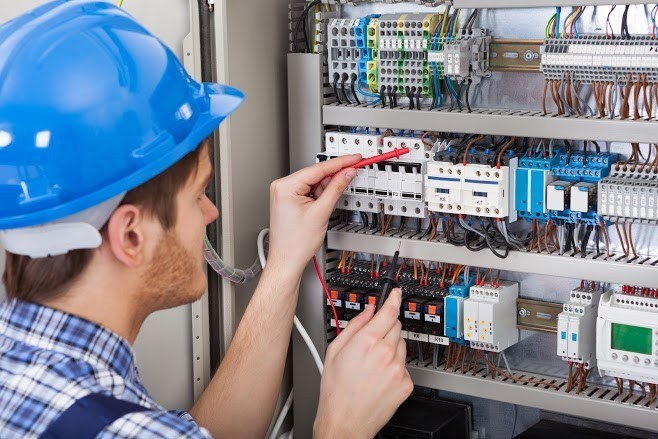
Finding reliable Fulham Electricians is important for homeowners, landlords, and businesses that want to keep their electrical installations safe, efficient, and suitable for everyday use. Across Fulham, London, properties range from traditional terraced houses and period conversions to modern apartments, shops, and commercial premises. Each type of building can have different electrical requirements, making professional assessment and properly planned maintenance essential.
Electrical systems support almost every aspect of modern life, from lighting and heating controls to kitchen appliances, home office equipment, and electric vehicle charging. When an electrical fault develops, it can affect convenience and potentially create a safety risk. Understanding common electrical problems, available services, and the importance of qualified workmanship helps Fulham property owners make informed decisions about maintaining and improving their installations.
1. Understanding the Electrical Needs of Fulham Properties
Fulham has a diverse property landscape, with older buildings sitting alongside renovated homes and contemporary developments. While this variety gives the area its character, it also means that electrical installations can differ considerably in age, condition, and capacity.
A property that has served a household for decades may still contain wiring or accessories that need professional assessment. Meanwhile, a recently renovated home may require additional circuits to support new appliances, lighting systems, or other modern equipment.
Electrical Challenges in Period Homes
Older properties sometimes have outdated consumer units, deteriorating cable insulation, insufficient socket outlets, or electrical alterations completed at different times. These issues are not present in every older building, but they can make a professional inspection particularly useful.
An electrician can assess the accessible installation, carry out appropriate testing, and identify any defects that require attention. Recommendations should reflect the property’s actual condition rather than assuming that every older component needs immediate replacement.
Modern Apartments and Renovated Homes
Contemporary properties often have greater electrical demands because of integrated appliances, entertainment systems, smart-home devices, and electric heating or cooking equipment.
When renovating a property in Fulham, it is worth considering electrical requirements early in the planning process. This can help ensure that socket positions, lighting controls, and circuit arrangements suit the intended layout and avoid unnecessary alterations later.
2. Common Electrical Problems and Their Warning Signs
Electrical faults can develop gradually or appear suddenly. Recognising the warning signs early may help prevent a minor issue from becoming more serious.
Common problems include:
- Circuit breakers that trip repeatedly
- Lights that flicker or dim unexpectedly
- Sockets or switches that become unusually warm
- Buzzing sounds coming from electrical fittings
- Burning smells near outlets or consumer units
- Damaged plugs, cables, or switches
- Electrical circuits that stop working without an obvious explanation
These symptoms can have several possible causes. For example, a breaker may trip because of an overloaded circuit, a faulty appliance, or a problem with the wiring. Identifying the actual cause is important because repeatedly resetting the breaker does not resolve an underlying fault.
When to Treat an Electrical Fault as Urgent
Signs of overheating, visible sparks, smoke, or a burning smell should never be ignored. Stop using the affected equipment and, if it is safe to do so, isolate the relevant circuit. If a fire or immediate danger is present, leave the property and contact emergency services.
Never touch exposed wires or attempt repairs on live electrical equipment. A competent electrician can investigate the fault, determine the appropriate repair, and carry out any necessary testing before the installation is returned to use.
3. Electrical Repairs and Installations for Homes and Businesses
Electrical work covers a broad range of services, from replacing a faulty switch to installing new circuits during a major refurbishment. The right solution depends on the installation’s condition, the problem being addressed, and the property’s intended use.
Lighting and Socket Installation
Well-positioned sockets and suitable lighting make homes and workplaces more comfortable and practical. Additional outlets can reduce reliance on extension leads, while improved lighting can make kitchens, offices, hallways, and outdoor spaces easier to use.
A professional installation should take account of circuit capacity, cable routes, the location of furniture and appliances, and any special requirements for bathrooms or outdoor areas.
Consumer Unit Upgrades
The consumer unit distributes electricity to a property’s circuits and contains protective devices that disconnect the supply under certain fault conditions. Depending on the age and condition of the installation, an upgrade may be appropriate to improve protection or accommodate additional circuits.
Replacing a consumer unit should not be treated as a standalone cosmetic improvement. The electrician should assess the existing installation and identify any related defects that could affect the safety or suitability of the new equipment.
Commercial Electrical Maintenance
Shops, offices, restaurants, and other commercial premises in Fulham depend on reliable electrical systems for lighting, computers, refrigeration, security, and specialist equipment.
Planned maintenance can help businesses identify developing problems, organise repairs, and minimise unexpected interruptions. Work should be scheduled with consideration for the premises’ operating hours and the needs of staff and customers.
4. Electrical Safety Inspections and EICR Reports
An electrical safety inspection helps establish whether an installation is in a satisfactory condition for continued use. Inspections can be particularly valuable when purchasing a property, managing a rental home, or assessing an older electrical system.
During an inspection, a suitably qualified professional examines accessible parts of the installation and carries out relevant tests. The findings can highlight defects involving wiring, earthing, bonding, circuit protection, or electrical accessories.
What Is an Electrical Installation Condition Report?
An Electrical Installation Condition Report, commonly called an EICR, documents the condition of an electrical installation at the time of inspection. It identifies observations and classifies issues according to their significance.
The report may recommend remedial work where defects are found. Property owners should understand that an inspection does not automatically include repairs, and any necessary corrective work may need to be arranged separately.
An EICR can also provide useful information when planning maintenance or deciding whether an installation requires further investigation.
Electrical Safety for Landlords in Fulham
In England, landlords of most private rented properties must arrange electrical installation inspection and testing by a qualified person at least every five years, or sooner if the previous report specifies an earlier inspection. They must also comply with applicable requirements concerning reports, tenants, and remedial work.
Landlords should confirm which rules apply to their property and tenancy. Keeping inspection reports and repair records organised can make it easier to manage ongoing responsibilities and demonstrate that required actions have been addressed.
5. Improving Energy Efficiency Through Electrical Upgrades
Energy efficiency is an important consideration for property owners looking to manage electricity consumption without sacrificing comfort. Electrical improvements can help make lighting and equipment more efficient while supporting changing household needs.
LED Lighting and Better Lighting Design
LED lighting is generally more energy-efficient than traditional incandescent lighting and is available in a wide range of styles and colour temperatures. Choosing suitable fittings can improve visibility and create a more comfortable atmosphere in different rooms.
For example, kitchens may benefit from focused task lighting, while hallways and staircases need consistent illumination. Outdoor lighting can improve visibility around entrances and pathways when properly selected and installed.
Smart Controls and Home Automation
Smart switches, timers, dimmers, and motion sensors can provide greater control over lighting and certain electrical systems. Timers may help manage scheduled lighting, while motion sensors can activate outdoor lights when movement is detected.
Before installing smart controls, it is important to check compatibility with the existing wiring and lighting equipment. Professional advice can help ensure that the chosen system operates as intended and meets relevant safety requirements.
Preparing for Electric Vehicle Charging
Home electric vehicle charging may be convenient for residents with suitable parking. However, installation requires an assessment of the property’s electrical capacity, existing wiring, protective arrangements, and the charger itself.
A competent installer can determine whether additional work is needed and advise on a suitable charging solution that complies with relevant standards and requirements.
6. How to Choose a Reliable Electrician in Fulham
Choosing an electrician involves more than finding the lowest quotation. Relevant experience, qualifications, clear communication, and suitable documentation all contribute to a successful project.
Before appointing a contractor, consider the following factors.
Check Qualifications and Relevant Experience
Ask whether the electrician has the training and experience needed for the specific job. Certain installations and types of work may require specialist competence, registration, or compliance with particular building regulations.
For work covered by Part P of the Building Regulations in England, ask how compliance will be demonstrated and whether the contractor can provide the appropriate certification or notification where required.
Request a Detailed Quotation
A clear written quotation should describe the work, materials, testing, and documentation included. It should also explain how unexpected defects or additional work will be handled.
Comparing quotations is most useful when each contractor is pricing the same scope of work. A lower initial price may not represent better value if essential testing, materials, or remedial work are excluded.
Prioritise Communication and Transparency
A professional electrician should be able to explain the problem, discuss practical options, and answer questions without relying on unnecessary technical jargon. Recommendations should be based on the installation’s condition and the customer’s needs.
Property owners looking for local electrical services can visit Fulham Electricians to review the available information and determine whether the business is suitable for their particular requirements.
7. Practical Electrical Maintenance Tips for Property Owners
Although many electrical tasks require professional expertise, simple precautions can help homeowners and businesses maintain a safer environment.
Useful habits include:
- Avoid overloading sockets and extension leads.
- Stop using electrical equipment with damaged plugs or cables.
- Keep electrical appliances away from water unless specifically designed for the relevant environment.
- Investigate repeated breaker trips rather than continually resetting them.
- Keep the consumer unit accessible and circuits clearly labelled.
- Arrange professional checks when buying an older property or planning major renovations.
- Follow the manufacturer’s instructions for electrical appliances.
- Keep records of inspections, repairs, and electrical alterations.
Property owners should never remove consumer-unit covers or attempt work on live wiring unless appropriately qualified and equipped. Electrical repairs should be completed using suitable methods and verified through the required testing.
Regular attention to these details can help identify potential issues earlier and support the long-term reliability of an electrical installation.
8. Planning Electrical Improvements for Long-Term Reliability
Electrical planning is most effective when it considers both present requirements and likely future changes. A growing family may need more charging points and additional kitchen appliances, while a business may need extra equipment or changes to its working layout.
Discussing these needs before starting a renovation can help prevent costly changes later. For example, installing additional sockets while a room is being refurbished may be more practical than modifying finished walls at a later date.
It is also useful to retain electrical certificates, inspection reports, and details of completed work. These records can support future maintenance decisions and help contractors understand the installation’s history.
Not every property needs a complete electrical upgrade. A professional assessment can help establish which improvements are necessary, which are optional, and which can reasonably be planned for the future. Prioritising safety, compliance, and practical performance helps property owners make informed decisions without undertaking unnecessary work.
Conclusion
Reliable electrical installations are essential for comfortable homes, well-managed rental properties, and productive businesses throughout Fulham, London. From diagnosing faulty circuits and upgrading consumer units to improving lighting and arranging electrical safety inspections, professional electrical services help property owners address problems and plan improvements with greater confidence.
Choosing a suitably qualified electrician, responding promptly to warning signs, and keeping maintenance records can all contribute to a safer and more dependable installation. Whether preparing for a renovation, maintaining an older property, or addressing an unexpected fault, Fulham residents benefit from taking a proactive approach to electrical safety.
With careful planning and appropriate professional support, property owners can ensure their electrical systems remain better suited to everyday demands while preparing for future changes.


