

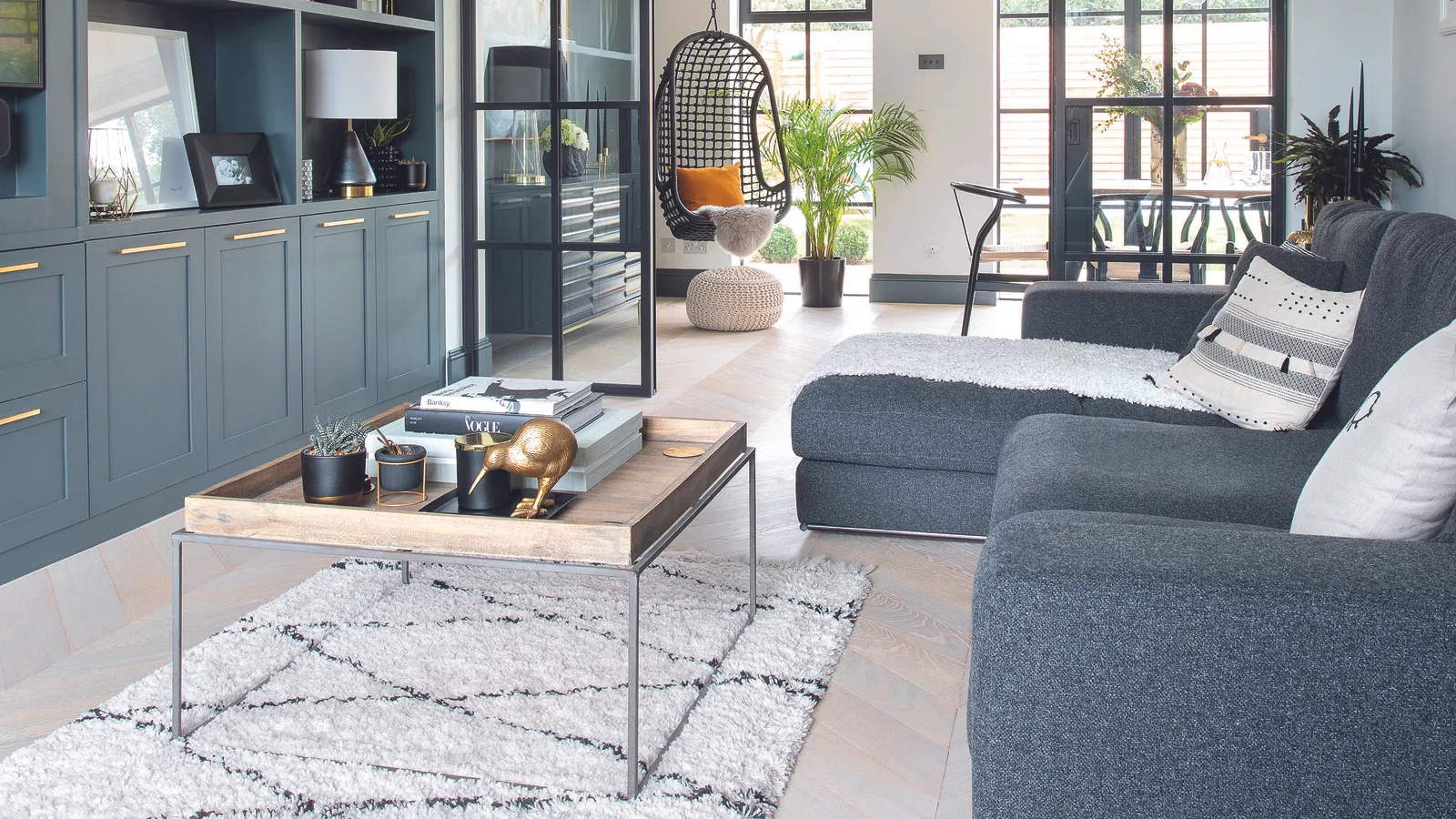
Homes naturally change over time. A room that once worked perfectly may eventually feel dated, cluttered, or poorly suited to the way a household now lives. The good news is that creating a more useful interior does not always require extensive renovation. Thoughtful updates can refresh tired spaces while giving them an entirely new role.
From changing furniture arrangements to improving storage and lighting, relatively simple decisions can make a noticeable difference. The key is to look beyond appearance and consider how each part of the home can better support everyday activities.
Start by Rethinking How the Space Is Used
Before purchasing new furniture or choosing paint colors, consider what is preventing a room from working effectively. Perhaps a formal dining room is rarely used, a spare bedroom has become a storage area, or an awkward corner serves no clear purpose.
Changing the function of an existing space can sometimes deliver more value than changing its appearance alone. A little used dining area could become a flexible workspace and family activity zone. A spare bedroom might combine guest accommodation with organized storage or a study area.
Lifestyle resources such as an Australian parenting blog can also provide inspiration for households trying to create spaces that accommodate children, work, relaxation, and family routines. The most successful interiors are usually those designed around the people actually using them.
Refresh Walls Without Changing Everything
Walls have a major influence on how a room feels. Repainting is therefore one of the simplest ways to revive an interior without replacing everything inside it.
Lighter shades can help smaller spaces feel more open, while warmer tones can make large rooms feel comfortable and inviting. Instead of repainting every wall, homeowners can also create a focal point through a contrasting color, artwork, textured finishes, or carefully selected decorative features.
Online platforms such as vizz.com.au can be useful when exploring broader lifestyle ideas and discovering different approaches to updating everyday surroundings. Inspiration is valuable, but design choices should ultimately reflect the character and practical requirements of the home.
Give Existing Furniture a Different Role
Refreshing a room does not automatically mean buying an entirely new furniture collection. Existing pieces may simply need to be repositioned or used differently.
A console table could become a compact desk. An old bookshelf might provide storage in a kitchen, hallway, or children’s activity area. A sturdy cabinet can be refreshed with new hardware and moved to another room where additional storage is needed.
Rearranging furniture can also improve movement through the room. Removing unnecessary pieces and creating clearer pathways often makes an interior feel larger and more purposeful without requiring structural changes.
Use Lighting to Change the Atmosphere
Lighting is frequently overlooked when updating interiors, yet it can completely change how a space looks and functions. A single central light may provide basic illumination but does little to create atmosphere or support different activities.
Layered lighting offers greater flexibility. Ceiling fixtures can provide general illumination, lamps can support reading and working, and smaller accent lights can highlight artwork, shelving, or architectural details.
Natural light should also be considered. Heavy window coverings can make an otherwise pleasant room feel dark and enclosed. Replacing them with lighter options can help daylight travel further into the home.
Lifestyle publications such as Melbwire Australia often reflect how contemporary living involves combining comfort, practicality, and personal style. Lighting is one area where these priorities can work together particularly well.
Turn Forgotten Corners Into Useful Zones
Not every improvement needs an entire room. Small areas can become surprisingly valuable when they are given a clear purpose.
An empty corner near a window can become a reading area with a comfortable chair and lamp. Space beneath stairs can provide organized storage. A wide hallway may accommodate slim shelving, while an unused wall can become a compact workstation.
These changes are particularly useful in smaller homes where every square foot matters. Rather than filling available areas with decoration, consider whether they can support an everyday activity.
Improve Storage Without Creating Visual Clutter
Clutter can make even a well decorated room appear tired. Better storage can therefore be both a practical and visual improvement.
Built in cabinetry is one option, but simpler solutions can also work effectively. Baskets, storage benches, drawer organizers, floating shelves, and furniture with concealed compartments help keep frequently used belongings accessible without leaving everything on display.
Resources such as SydHub Blog can offer ideas across home, lifestyle, and everyday living topics, but storage decisions should always begin with understanding what a household actually needs to keep and use.
Add Character Through Smaller Details
Once the practical elements are working, smaller decorative changes can complete the transformation. Cushions, rugs, curtains, plants, artwork, and updated hardware can introduce personality without overwhelming the room.
Rather than following every new design trend, choose details that complement existing features. A few carefully selected additions generally create a more cohesive result than filling a room with unrelated decorative pieces.
Creating Purpose Without Starting Over
Giving a tired space a new purpose is ultimately about making the home work better rather than simply making it look newer. Thoughtful furniture placement, improved lighting, practical storage, refreshed walls, and better use of forgotten areas can transform interiors without requiring a complete renovation.
By focusing on function first and decoration second, homeowners can create spaces that feel fresh, comfortable, and relevant to their current lifestyle. Sometimes the most effective interior update is not adding more, but seeing the possibilities already present in the home.