A side table works best when it supports daily life without becoming another surface that collects clutter. Good side table styling combines practical items, breathing room, and one or two decorative details. The result feels calm because every object has a reason to be there.
Start With What the Table Needs to Do
Before decorating, decide how the table will actually be used. A living room side table beside a sofa may need space for a drink, remote, reading glasses, and lamp. A bedroom version may need a phone charger, book, and small light.
Keeping the purpose clear prevents decorative objects from taking over the entire surface. Empty space is useful space, especially on a compact table.
Let Scale Guide the Arrangement
A large lamp can act as the visual anchor while smaller objects sit lower beside it. On a narrow table, one medium-height object may look calmer than several tiny decorations competing for attention.
Create a Simple Visual Anchor
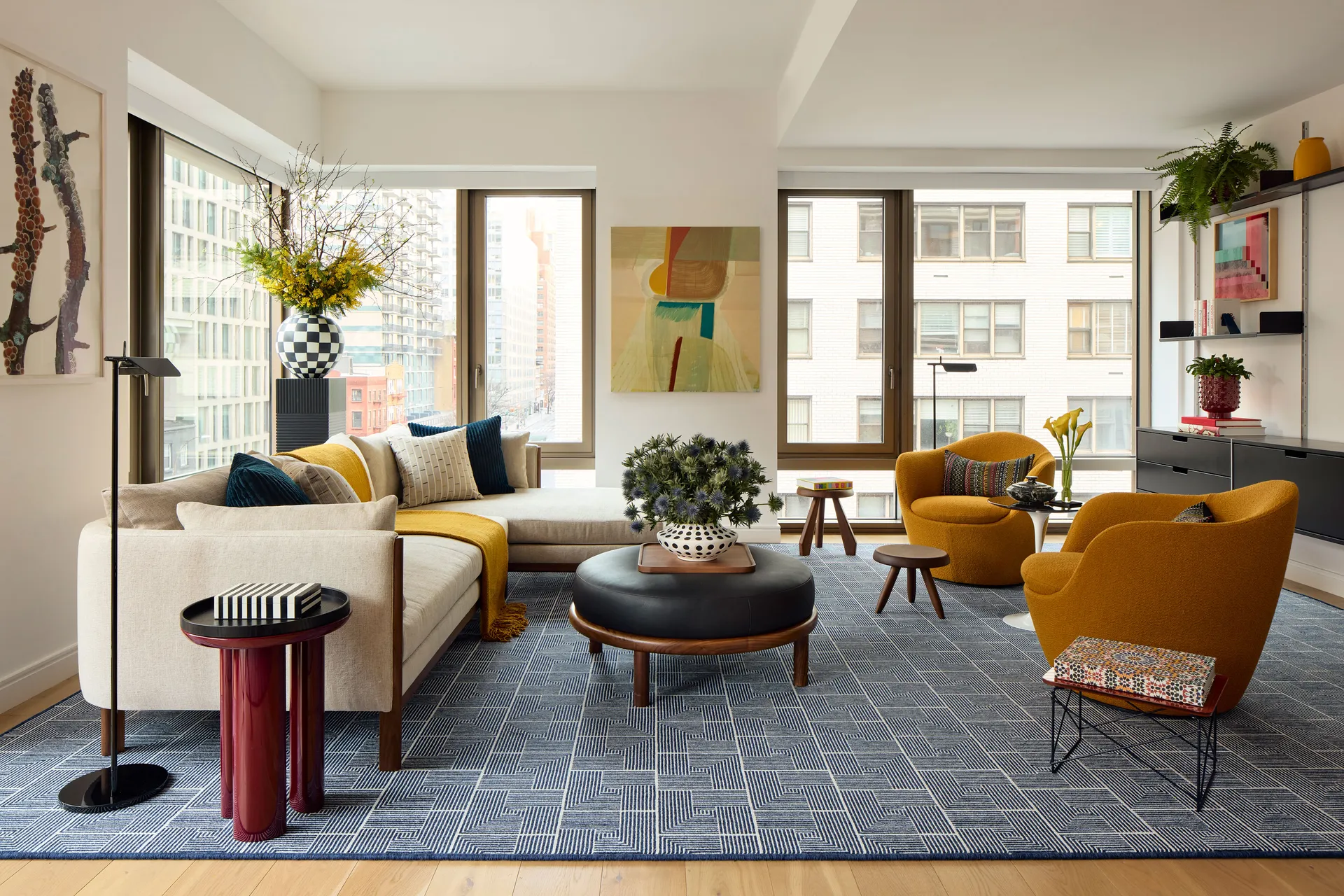
Choose one object that gives the arrangement structure. It might be a lamp, ceramic vase, framed photograph, or small plant. Design inspiration from residential spaces can also help you notice how furniture scale affects the objects placed around it.
The anchor doesn’t need to sit directly in the center. Slightly off-center placement often leaves a more usable area for everyday items.
| Styling Element | Useful Role | Simple Approach |
|---|---|---|
| Lamp | Task lighting | Keep surrounding decor low |
| Tray | Controls small items | Choose one compact size |
| Plant | Adds natural texture | Avoid oversized foliage |
| Book | Adds height | Use one or two volumes |
Use Trays Without Turning Them Into Clutter Zones
A tray can make loose objects look intentional, but only when its contents stay limited. Keys, a candle, or a small remote can fit neatly inside without covering the entire tabletop.
Looking at home and villa layouts can offer useful context for how tables work within wider furniture groupings. The same idea applies in a modest room: accessories should support the arrangement rather than dominate it.
Keep at least part of the tabletop completely open. That open area is what makes the table feel functional instead of staged.
Add Texture Through Small Details
Texture creates interest without requiring more objects. A stone coaster, woven box, matte ceramic dish, or natural wood accessory can introduce contrast even when the color palette stays quiet.
Broader home environment ideas can also inspire combinations of materials that feel relaxed instead of overly coordinated. Try pairing smooth and rough finishes rather than using several objects with the same surface.
Keep Color Repetition Subtle
Borrow one or two colors already present in the room. A beige sofa might be echoed by a warm ceramic piece, while a dark lamp can connect visually with nearby picture frames or furniture legs.
Where Side Table Styling Goes Wrong
The most common mistake is treating the table like a miniature display shelf. Five or six decorative objects may look interesting individually but leave no practical room for a cup, phone, or book.
Another problem is using objects that are almost identical in height. The arrangement can appear flat even when the table is crowded. A stronger approach is one taller anchor, one lower object, and some deliberate empty surface.
Frequently Asked Questions
How many items should be placed on a side table?
Two to four visible items are usually enough for an average side table. The exact number matters less than leaving usable space and avoiding several small objects that create visual noise.
Should side tables match on both sides of a sofa?
They don’t have to match exactly. Tables with similar height, material, or visual weight can feel connected while still allowing each side of the seating area to serve a different purpose.
Can a side table be left mostly empty?
Yes. A lamp and coaster may be all that is needed. Minimal styling often works especially well in small rooms where clear surfaces help the space feel less crowded.
Make Everyday Use the Final Test
A well-styled side table should still work comfortably at the end of a normal day. Arrange the objects, then check whether you can easily set down a drink, reach the lamp, and find what you use most. If decoration gets in the way, remove something. Calm styling usually comes from editing, not adding.