
When a home starts feeling crowded, the obvious conclusion is often that it has become too small. Families begin thinking about extensions, renovations, or moving somewhere with an extra bedroom and more storage. Yet square footage is not always the real problem. Sometimes a perfectly adequate home simply does not work well for the people living in it.
Better organization, thoughtful furniture placement, improved storage, and rooms designed around actual routines can completely change how a home feels. Before assuming more space is necessary, it is worth examining whether the existing space is being used effectively.
Look at How the Home Is Actually Used
Homes are often arranged according to what rooms are traditionally supposed to do rather than what residents actually need from them. A formal dining room may sit empty most of the week while the kitchen table becomes a workplace, homework station, and family gathering point.
The first step toward better function is observing everyday behavior. Where do bags get dropped? Where does clutter repeatedly collect? Which rooms rarely get used? Where do family members naturally spend their time?
Lifestyle resources such as The Lovers Point can inspire people to think differently about everyday living, but every household ultimately needs its own solutions. A room becomes valuable when it supports real routines rather than simply matching a conventional idea of how a home should look.
Give Every Area a Clear Purpose
A room does not necessarily need one exclusive function. It does, however, need a reason to exist.
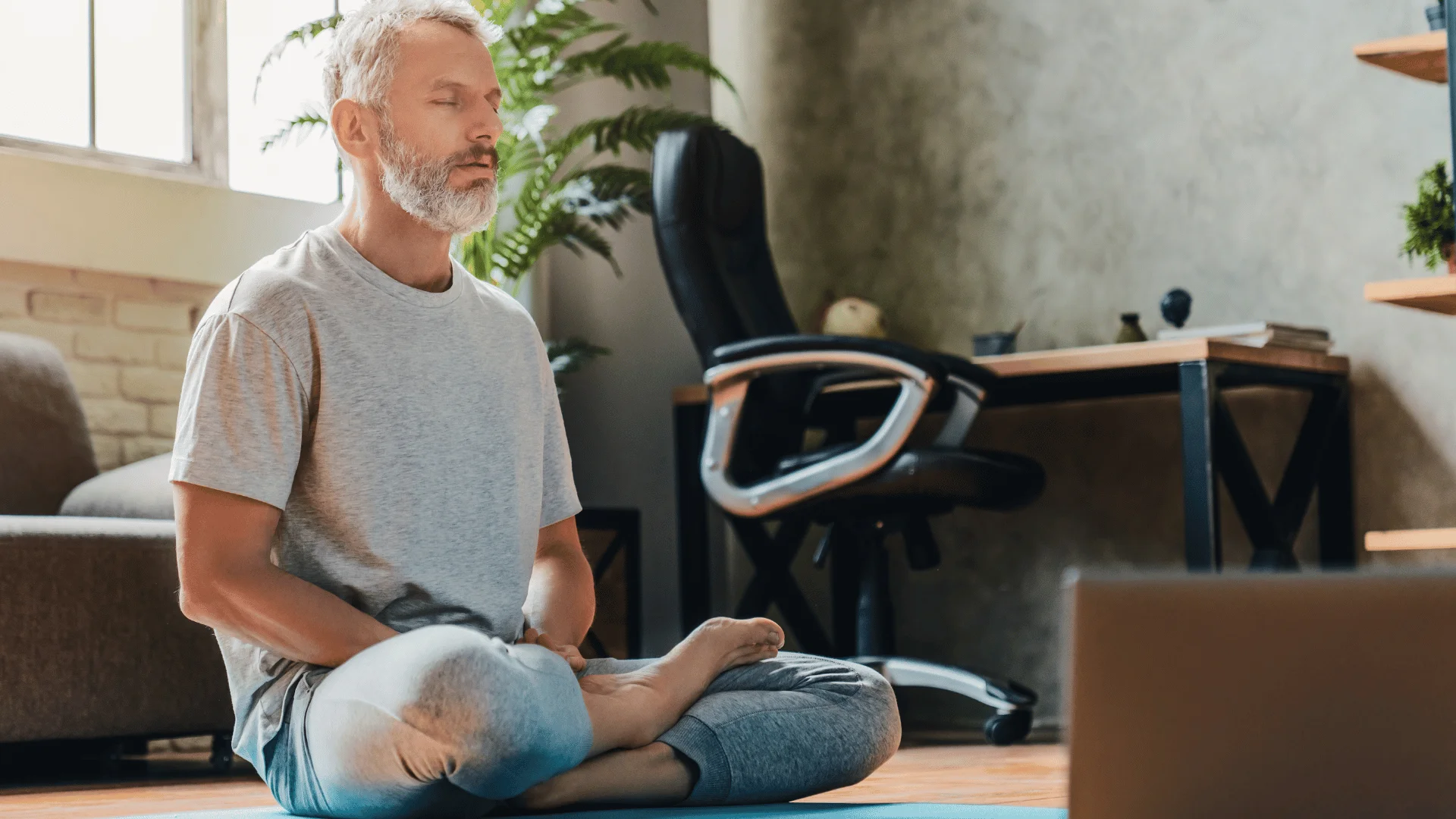
An underused guest bedroom might become a combination office and guest space. A wide hallway could include practical storage. An unused corner of the living room might become a reading area or children’s activity zone.
Defining these purposes prevents rooms from gradually becoming storage areas for things that have nowhere else to go.
Furniture can also help establish different zones without adding walls. A bookshelf, rug, table, or carefully positioned sofa can visually separate activities while keeping the overall space open.
Storage Should Match Daily Behavior
More storage is not automatically better storage. A large cupboard at the opposite end of the house is not particularly useful for items needed several times every day.
Effective storage puts belongings close to where they are used. Shoes and bags make sense near an entrance. Cooking equipment should be accessible in the kitchen. Children’s everyday belongings need storage they can reach without assistance.
Family focused resources such as The Parent Blog often explore the realities of managing busy households, where practical systems can matter more than picture perfect interiors. When storage reflects daily behavior, tidying becomes easier because putting something away requires less effort.
The best systems are usually the ones people can maintain without constantly thinking about them.
Reconsider Oversized Furniture
Furniture is one of the most common reasons a reasonably sized room feels cramped.
A large sectional sofa may dominate a modest living room. An eight seat dining table can consume valuable floor space when only three or four people use it regularly. Oversized bedside tables, cabinets, and entertainment units can create similar problems.
This does not mean every home needs tiny furniture. Scale simply needs to suit the room.
Choosing pieces with appropriate proportions can improve movement and make spaces feel noticeably larger. Furniture that serves multiple purposes can be especially useful. Benches with storage, extendable dining tables, nesting tables, and beds with drawers can provide flexibility without filling every available corner.
Improve Movement Through the Home
Good function is partly about circulation. People should be able to move between rooms without navigating around furniture, boxes, or awkward obstacles.
Walk through the home and notice where movement feels uncomfortable. A chair positioned slightly too close to a doorway or a console table narrowing a hallway may seem insignificant, but repeated inconvenience makes a home feel less functional.
Sometimes moving one piece of furniture produces a bigger improvement than purchasing something new.
Thinking about movement also means considering how different household members use the space. Children, older relatives, pets, and people working from home may all have different requirements.
Make Existing Spaces Work Harder
Certain areas of a home often have untapped potential. Spaces beneath stairs, vertical wall areas, alcoves, corners, and the backs of doors can provide useful storage or functionality.
The key is avoiding the temptation to fill every empty surface. Functional design is not about maximizing the number of objects a home can hold. It is about making necessary belongings easier to access while maintaining comfortable open space.
Ideas shared through platforms such as GLID Australia can encourage homeowners to reconsider how lifestyle and practical design intersect. A compact home with thoughtful organization can often feel easier to live in than a much larger property filled with poorly planned spaces.
Pay Attention to Lighting
A room can feel smaller simply because it is dark.
Natural light should be preserved wherever possible. Heavy furniture placed near windows can block light, while oversized curtains may visually reduce the size of a wall.
Artificial lighting also deserves attention. Depending entirely on one central ceiling fixture can leave corners dark and make rooms feel flat. Combining general lighting with task lamps and focused lighting creates more flexibility.
Mirrors can help distribute natural light, while lighter surfaces may make compact areas feel more open. These changes do not create additional floor space, but they can significantly change how spacious a room feels.
Reduce Before You Expand
Sometimes the problem is not the house. It is the quantity of belongings inside it.
Possessions accumulate gradually, making it difficult to notice how much space they occupy. Cupboards fill with unused kitchenware, wardrobes hold clothes that are rarely worn, and garages become long term storage for forgotten purchases.
Decluttering does not require adopting an extremely minimalist lifestyle. It simply means questioning whether belongings still deserve the space they occupy.
A home containing fewer unnecessary objects is easier to organize, clean, and maintain. It also becomes clearer whether additional storage or space is genuinely needed.
Design Around Changing Lifestyles
Homes need to evolve because people’s lives do.
Remote work can create demand for office space. Children grow and require different types of storage. Hobbies change. Families may begin entertaining more frequently or caring for relatives.
A Melbourne lifestyle blog may showcase everything from compact urban apartments to larger family homes, but adaptable design is valuable regardless of location. Rooms that can change purpose over time prevent homeowners from needing major alterations every time their circumstances shift.
Flexible furniture and neutral layouts make these transitions easier.
Know When More Space Really Is Necessary
Better function cannot solve every space problem. A growing household may genuinely need additional bedrooms. Someone running a business from home might require a dedicated workspace. Accessibility requirements can also make structural changes necessary.
The important point is to diagnose the problem before investing in the solution.
Observe how rooms are used, improve storage, remove unnecessary belongings, adjust furniture, and rethink neglected areas first. After those changes, it becomes much easier to determine whether the home is truly too small.
A functional home is not necessarily a large home. It is one where everyday activities happen comfortably, belongings have sensible places, and rooms support the people using them. Sometimes the best home improvement is not adding another room. It is making the existing ones finally work the way they should.