Sharp wall-to-ceiling corners can make a room feel boxier than it needs to. Ceiling cove ideas soften that transition by introducing curves, recessed lighting, layered molding, or subtle architectural depth. The effect can be quiet rather than decorative, which makes coves useful in both traditional and contemporary rooms.
Why Ceiling Coves Change the Feel of a Room
A standard 90-degree ceiling edge creates a clear visual stop. A cove replaces that hard line with a gradual transition, helping the eye move smoothly from wall to ceiling.
This can be especially effective in bedrooms, dining rooms, and living spaces where a softer atmosphere matters. Curved plaster details can feel architectural, while slim molding coves offer a less permanent option.
People collecting fireplace design inspiration may notice the same principle around hearths: transitions between surfaces often influence how finished a room feels. Ceiling edges deserve similar attention.
Use Cove Lighting Without Making It Too Bright
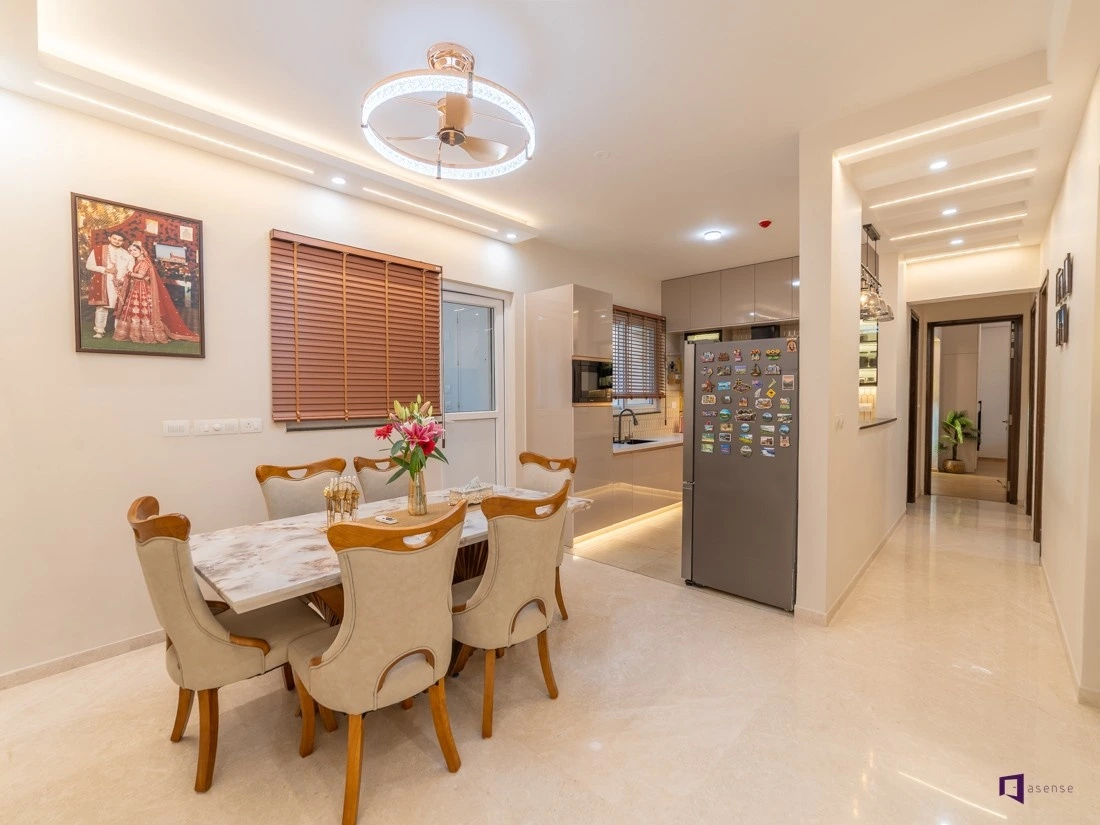
Hidden LED lighting is one of the most practical ways to use a ceiling cove. Rather than shining directly into the room, the light reflects across the ceiling and produces a broad, gentle glow.
Warm-white lighting tends to work well in bedrooms and lounges. Kitchens or multipurpose spaces may benefit from a more neutral tone, particularly when the cove supplements task lighting rather than replacing it.
Those comparing interior planning ideas can treat the cove as part of the lighting plan instead of adding it as decoration afterward. That usually leads to cleaner proportions and fewer visible fixtures.
| Cove Approach | Best Fit | Main Consideration |
|---|---|---|
| Curved plaster | Traditional rooms | Requires skilled finishing |
| LED recess | Modern interiors | Needs concealed wiring |
| Layered molding | Budget updates | Can collect dust |
| Shallow perimeter cove | Low ceilings | Keep projection modest |
Match the Cove to Ceiling Height
Large coves need breathing room. In a tall room, a deeper curved transition or stepped perimeter can make the ceiling feel intentional rather than empty.
Lower ceilings call for restraint. A shallow molding profile, narrow shadow line, or compact lighting channel adds refinement without visually pulling the ceiling downward.
Exterior architecture often uses similar proportional thinking, and exterior design references can be useful for seeing how transitions, trim, and scale affect the overall character of a structure. Indoors, the same rule applies: detail should suit the available space.
Let the Cove Support the Room’s Style
Traditional interiors can handle decorative cornices, rounded plaster work, or layered trim. Transitional rooms often look better with simpler profiles that suggest classic detailing without becoming ornate.
Modern spaces usually benefit from recessed channels, crisp shadow gaps, or indirect lighting. A cove doesn’t need visible molding at all; sometimes the strongest result comes from a small architectural recess.
Paint also changes the effect. Matching the cove to the ceiling makes it understated, while continuing the wall color upward creates a more enveloping look.
Mistakes That Can Make Coves Feel Heavy
Oversized trim is a common problem. A deep cove in a small room can make the ceiling appear lower and create more visual weight than expected.
Another mistake is relying on cove lighting as the room’s only light source. Indirect illumination is comfortable, but it may not provide enough light for reading, cooking, grooming, or detailed work.
Poorly positioned LED strips can also create visible bright spots. The light source should remain concealed from normal viewing angles so the ceiling receives an even wash instead of a dotted line.
Frequently Asked Questions
Are ceiling coves suitable for low ceilings?
Yes, provided the profile stays shallow. Narrow coves, small shadow gaps, and compact lighting recesses can soften ceiling edges without taking away much apparent height.
Should ceiling coves match the wall or ceiling color?
Either approach can work. Matching the ceiling usually creates a quieter appearance, while carrying the wall color into the cove can make the room feel warmer and more enclosed.
Can ceiling coves be added during a renovation?
Yes. Lightweight molding, drywall channels, and perimeter lighting details can often be incorporated without rebuilding the entire ceiling, though electrical work may require professional installation.
Choose Restraint Before Decoration
A successful cove rarely needs to dominate the room. Start with ceiling height, lighting needs, and the architectural style already present, then choose the smallest detail that produces the effect you want. Soft edges work best when they appear to belong to the structure rather than looking like decoration added later.