
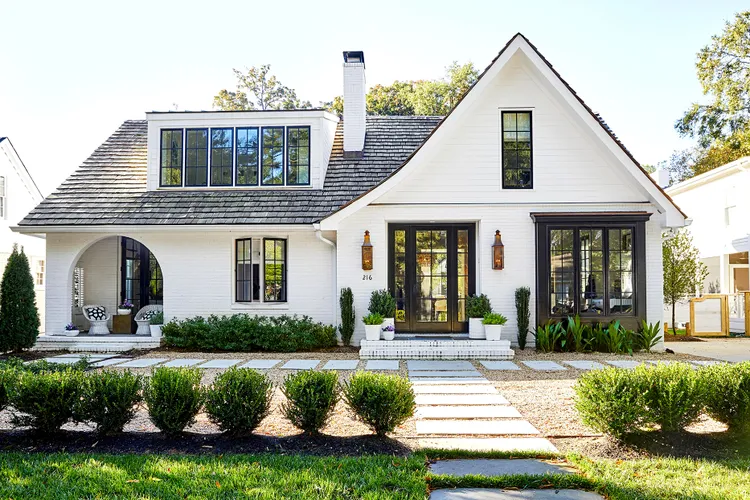
Home improvement is often associated with beautiful kitchens, stylish furniture, modern lighting, and impressive outdoor spaces. While these upgrades can certainly make a property more attractive, some of the most valuable improvements are the ones visitors never notice. They address everyday frustrations, improve comfort, and make household routines easier without dramatically changing how a home looks.
A successful home improvement project does not always need to create something visually impressive. Sometimes, fixing a noisy door, improving ventilation, organizing storage, or addressing an inefficient layout can make a greater difference than an expensive renovation.
The real value of a home often becomes apparent through the experience of living in it rather than the impression it makes on guests.
Everyday Convenience Matters More Than First Impressions
When people visit a home, they usually notice decorative features, furniture arrangements, and overall cleanliness. However, homeowners experience their properties differently because they interact with every room throughout the day.
A poorly positioned electrical outlet, insufficient kitchen storage, or inadequate bathroom ventilation might seem insignificant during a short visit. For residents, these issues can become persistent sources of frustration.
Practical improvements eliminate such inconveniences and create smoother household routines. Adding accessible storage, improving lighting around work areas, or replacing difficult cabinet mechanisms can make ordinary activities noticeably easier.
The value of these changes becomes clear through repeated use rather than immediate visual impact.
Better Storage Creates a More Functional Home
Storage problems rarely attract attention until they begin affecting daily activities. Closets become overcrowded, kitchen counters accumulate unnecessary items, and household essentials end up scattered across different rooms.
Thoughtful storage improvements can address these problems without requiring major structural renovations.
Built in shelves, underbed drawers, adjustable cabinet organizers, and dedicated utility spaces help homeowners use available space more efficiently.
Families can also benefit from storage systems that reflect their actual routines. Parenting resources such as TheParent often explore practical aspects of family life, including the importance of maintaining organized environments that accommodate changing household needs.
A well organized home reduces unnecessary searching, makes cleaning easier, and helps residents maintain comfortable living spaces without constant rearrangement.
Ventilation and Airflow Deserve More Attention
Fresh air and proper ventilation contribute significantly to indoor comfort, yet these features are often overlooked during renovation planning.
Poor ventilation can encourage moisture accumulation, unpleasant odors, and condensation. Bathrooms, kitchens, and laundry areas are particularly vulnerable because they regularly produce humidity.
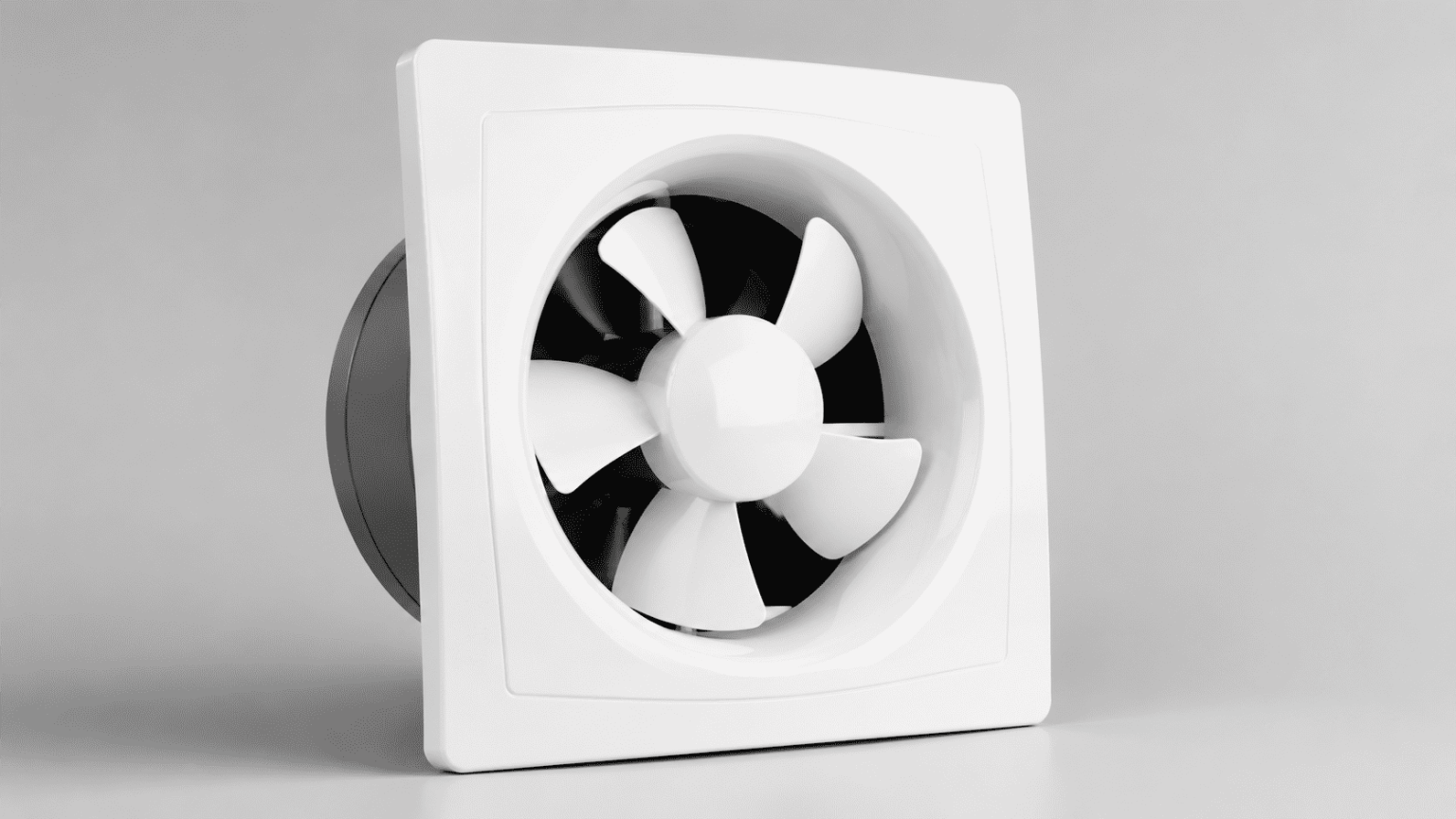
Installing suitable exhaust fans, improving airflow between rooms, and addressing blocked ventilation pathways can help maintain healthier indoor conditions.
These improvements rarely become conversation topics when guests visit. Nevertheless, residents may notice fewer persistent odors, reduced condensation, and more comfortable indoor temperatures.
Good ventilation also supports the long term condition of building materials by helping control excess moisture.
Small Maintenance Improvements Prevent Larger Problems
Some of the most worthwhile home improvements involve repairing existing features rather than introducing new ones.
A leaking faucet, damaged window seal, loose floorboard, or poorly functioning drainage system may appear relatively harmless initially. However, ignoring these issues can eventually lead to more expensive repairs.
Homeowners who follow property maintenance discussions through a Sydney blog may encounter practical advice about preparing homes for seasonal weather, managing moisture, and maintaining outdoor areas.
Regular maintenance allows homeowners to identify developing problems before they become serious.
Replacing deteriorating seals, repairing minor plumbing faults, and maintaining gutters can protect the property while improving everyday convenience.
Although these repairs might not increase a home’s visual appeal immediately, they can preserve its functionality and reduce unexpected expenses.
Energy Efficiency Improves Comfort Without Changing Appearance
Energy efficiency is another area where invisible improvements can deliver meaningful benefits.
Insulation, weather sealing, efficient appliances, and properly fitted windows can help maintain more consistent indoor temperatures.
These upgrades may reduce unnecessary heating and cooling demands while making rooms more comfortable throughout the year.
For example, sealing gaps around windows and doors can limit unwanted drafts. Improving roof insulation can reduce heat transfer, particularly during periods of extreme weather.
Homeowners researching lifestyle and household efficiency through publications such as Melbwire may find that practical improvements deserve as much attention as decorative renovation trends.
Energy efficient homes are not necessarily the ones with the most advanced technology. Often, carefully addressing basic inefficiencies produces noticeable improvements in comfort and running costs.
A Better Layout Supports Natural Movement
An attractive room can still be frustrating if its layout makes everyday movement difficult.
Furniture placed too close together, narrow pathways, and poorly positioned storage can interrupt household activities.
Improving a room’s layout does not always require removing walls or purchasing new furniture. Rearranging existing items, adjusting door clearances, and creating dedicated activity zones can make spaces easier to navigate.
The same principle applies beyond residential spaces. Transportation resources such as pinksahelimetrocard.com illustrate how access and convenience can be important considerations in everyday travel planning. Similarly, thoughtful home layouts help people move between essential areas without unnecessary obstacles.
A functional layout supports daily habits instead of forcing residents to constantly work around inconvenient arrangements.
Noise Reduction Can Transform Everyday Comfort
Noise is another household issue that visitors might never experience during a brief stay.
Residents may regularly hear traffic, neighboring properties, noisy appliances, or sounds traveling between rooms.
Simple improvements such as installing door seals, adding rugs, using heavier curtains, or addressing gaps around windows can help reduce certain types of unwanted noise.
For more significant problems, acoustic insulation or specialized window treatments may be appropriate.
A quieter environment can make working, resting, reading, and spending time with family more enjoyable.
The improvement may be invisible, but the difference in everyday comfort can be substantial.
The Most Valuable Improvements Reflect Real Household Needs
Home improvement decisions are often influenced by trends, social media inspiration, and expectations about what a modern property should look like.
However, every household has different priorities.
A family with young children might benefit from safer storage and easier cleaning surfaces. Someone working remotely may prioritize lighting, sound control, and reliable internet connectivity. Older residents may appreciate improved accessibility and safer bathroom arrangements.
Understanding these requirements helps homeowners invest in changes that genuinely improve their living experience.
Instead of asking which renovation will impress visitors, it may be more useful to consider which recurring household problems deserve attention.
Conclusion
The best home improvements are not always the most expensive, fashionable, or visually impressive. Many provide value by removing small frustrations that homeowners experience repeatedly.
Better storage, improved ventilation, efficient insulation, practical layouts, and timely maintenance can transform how a property functions without dramatically changing its appearance.
Guests may never notice these improvements, but residents experience their benefits every day. Ultimately, a successful home is not simply one that looks beautiful when someone visits. It is one that quietly makes everyday living more comfortable, convenient, and manageable.