

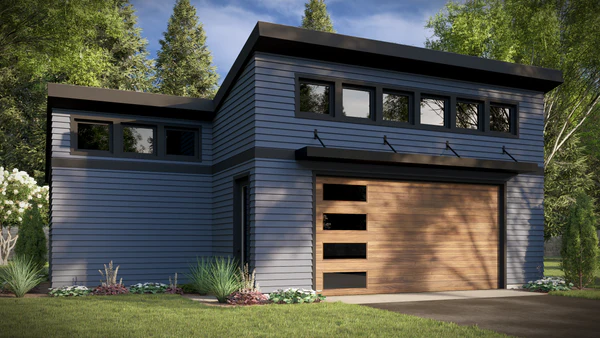
Climate controlled garage design is becoming a defining feature of modern residential architecture in 2026. As climate conditions grow more unpredictable and homeowners prioritize long-term asset protection, garages are evolving into highly engineered environments rather than simple storage spaces. A properly designed system ensures stable temperature, controlled humidity, and improved air quality, all of which contribute to better preservation of vehicles, equipment, and valuable belongings.
Garaza Design focuses on delivering innovative climate controlled garage design solutions that align with modern efficiency standards, sustainability goals, and lifestyle needs. Through strategic planning and advanced building technologies, garages are transformed into functional extensions of the home that offer both protection and usability throughout the year.
Why Climate Controlled Garage Design Is Essential in 2026
Climate controlled garage design is no longer considered a premium luxury it is now a practical necessity for many homeowners. Rising temperatures, increased rainfall variability, and humidity fluctuations can cause long-term damage to vehicles and stored materials if not properly managed.
Without environmental control, garages often experience:
- Excessive heat buildup during summer months
- Condensation leading to rust formation
- Mold and mildew growth due to trapped moisture
- Battery degradation in stored vehicles
- Warping or deterioration of wooden tools and equipment
A well-executed climate controlled garage design prevents these issues by maintaining a stable indoor environment throughout seasonal changes. This creates a safer, cleaner, and more durable storage space that supports long-term asset preservation.
In addition, modern buyers are increasingly viewing garage quality as a factor in property valuation, making climate control a strong contributor to real estate appeal.
Core Principles of Climate Controlled Garage Design
A successful climate controlled garage design relies on multiple engineering principles working together. Each component contributes to regulating temperature, humidity, and airflow in a balanced and efficient way.
Insulation as the First Line of Defense
Insulation is the foundation of any controlled environment. Without it, even the most advanced HVAC systems struggle to maintain stability.
High-performance insulation strategies include:
- Spray foam insulation for airtight sealing and thermal resistance
- Rigid foam boards installed in walls and ceilings
- Insulated garage doors with multi-layer construction
- Weather stripping to prevent air leakage around entry points
Proper insulation reduces heat transfer between indoor and outdoor environments, lowering energy consumption and improving system efficiency.
HVAC Systems for Temperature Regulation
Heating, ventilation, and air conditioning systems play a central role in maintaining comfort and consistency. In climate controlled garage design, HVAC systems are often customized to operate independently from the main household system.
Key HVAC components include:
- Mini-split systems for efficient zone control
- Smart thermostats for automated temperature adjustments
- Ventilation fans to ensure continuous airflow
- Air filtration units to reduce dust and airborne contaminants
These systems ensure that internal conditions remain stable even during extreme weather conditions, protecting sensitive materials and vehicles from environmental stress.
Humidity Control for Long-Term Protection
Humidity is one of the most damaging factors in garage environments. Even small fluctuations can lead to corrosion, mold growth, and structural damage over time.
Effective humidity control strategies include:
- Industrial-grade dehumidifiers for moisture removal
- Vapor barriers installed in flooring and walls
- Proper drainage systems to prevent water accumulation
- Moisture-resistant coatings applied to surfaces
Maintaining balanced humidity levels is especially important for homeowners storing luxury vehicles, antique equipment, or sensitive electronics.
Smart Technology Integration in Garage Design
Modern climate controlled garage design increasingly incorporates smart technology to enhance convenience and efficiency. Automation allows homeowners to monitor and adjust conditions remotely while optimizing energy usage.
Common smart features include:
- Mobile app-based climate monitoring systems
- AI-driven temperature optimization algorithms
- Motion-sensor lighting and ventilation controls
- Real-time humidity and air quality tracking
- Automated alerts for system performance changes
These technologies not only improve usability but also reduce unnecessary energy consumption by adjusting conditions only when needed.
Energy Efficiency Strategies for Sustainable Design
Energy efficiency is a critical component of modern climate controlled garage design. Without proper planning, operating costs can increase significantly over time.
To ensure sustainability, designers focus on:
- High-efficiency HVAC systems with inverter technology
- LED lighting systems for reduced electricity usage
- Solar panel integration for renewable energy support
- Airtight sealing to minimize energy loss
- Reflective roofing materials to reduce heat absorption
Sustainable design practices not only reduce environmental impact but also provide long-term financial savings for homeowners.
Common Design Mistakes to Avoid
Even well-intentioned garage projects can fail if key principles are overlooked. Avoiding common mistakes is essential for ensuring system performance and durability.
Frequent errors include:
- Underestimating insulation requirements in garage doors
- Installing oversized HVAC systems that cycle inefficiently
- Ignoring humidity control in humid climates
- Poor ventilation planning leading to stagnant air
- Failing to separate garage climate zones from the home
Each of these mistakes can compromise system efficiency and increase long-term maintenance costs.
Customization Options for Modern Lifestyles
One of the most valuable aspects of climate controlled garage design is its adaptability. Modern garages can be customized to support a wide range of functions beyond vehicle storage.
Popular customization options include:
- Luxury car display garages with controlled lighting environments
- Workshop setups with dust and temperature control
- Fitness or wellness spaces integrated into garage layouts
- High-security storage for valuable collections
- Multi-use hybrid spaces combining storage and recreation
These flexible configurations allow homeowners to maximize usable space while maintaining environmental stability.
Importance of Professional Design Expertise
Achieving optimal results in climate controlled garage design requires technical expertise and detailed planning. Professional designers evaluate structural conditions, airflow behavior, insulation performance, and system compatibility before implementation.
Key areas of expertise include:
- Architectural integration with existing home structures
- Load balancing for HVAC and electrical systems
- Energy modeling for efficiency optimization
- Material selection for durability and performance
- Future-proofing for system upgrades and expansion
Working with experienced design professionals ensures that the garage performs efficiently while maintaining long-term reliability.
Garaza Design specializes in delivering tailored solutions that combine engineering precision with modern aesthetic standards, ensuring each project meets both functional and visual expectations.
Future Trends in Climate Controlled Garage Design
The future of garage environments is evolving rapidly as technology and sustainability standards advance. Several emerging trends are shaping the next generation of garage design.
Key future developments include:
- Fully AI-managed climate control systems
- Net-zero energy garages powered by renewable sources
- Advanced IoT sensors for predictive maintenance
- Modular insulation systems for flexible upgrades
- Integration with whole-home smart ecosystems
These innovations are transforming garages into intelligent, adaptive environments that respond dynamically to environmental and user needs.
Long-Term Benefits of Climate Controlled Garage Design
Investing in a climate controlled garage design delivers both immediate and long-term advantages. Beyond protecting physical assets, it enhances overall home performance and value.
Long-term benefits include:
- Extended lifespan of vehicles and equipment
- Reduced maintenance and repair costs
- Improved indoor air quality and cleanliness
- Increased property resale value
- Enhanced energy efficiency across the home system
Over time, these benefits contribute to a more sustainable and cost-effective living environment.
Conclusion
Climate controlled garage design has become a crucial element of modern home planning in 2026. As environmental conditions become more extreme and homeowners demand higher performance from residential spaces, garages are being transformed into controlled, intelligent environments that deliver both protection and functionality.
By integrating advanced insulation, HVAC systems, humidity control, and smart technology, garages can operate as highly efficient extensions of the home. With expert planning and execution from Garaza Design, homeowners gain access to durable, future-ready solutions that improve comfort, safeguard assets, and increase overall property value for years to come.

