
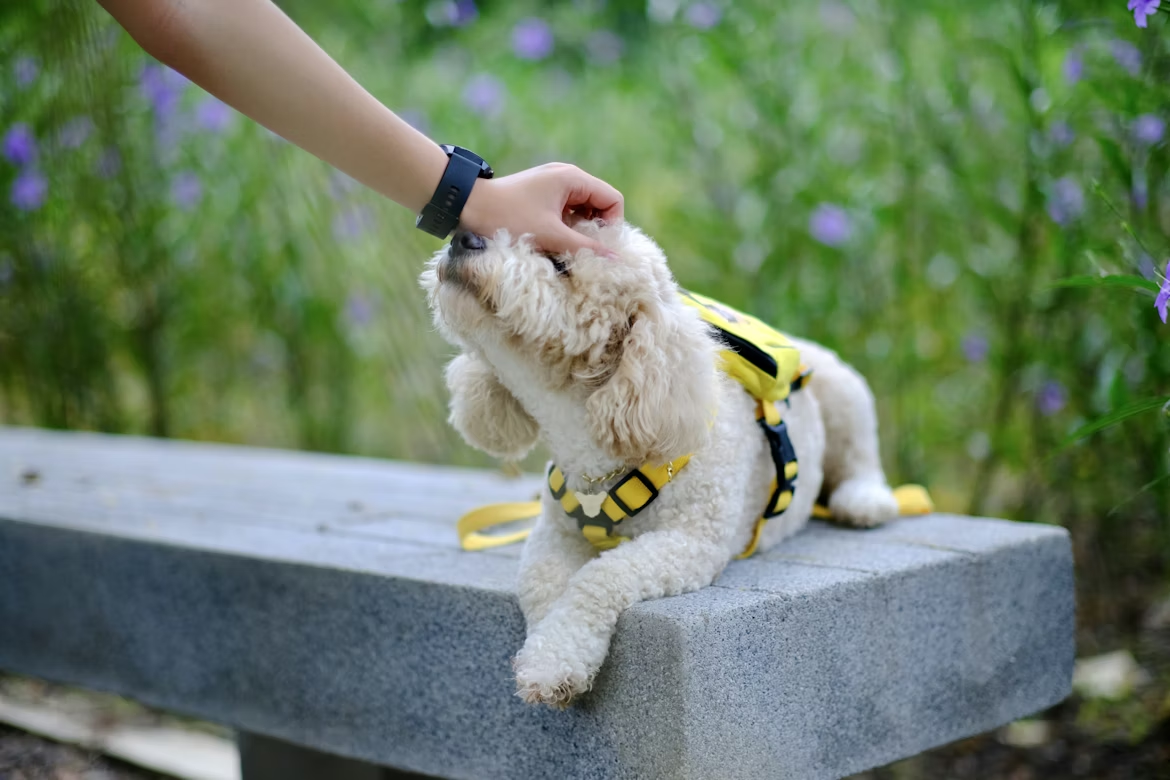
Having an emotional support animal can significantly improve your mental health and overall well-being. However, to truly benefit from this bond, proper emotional support animal training is essential. At Rob’s Dog Training, located in Phoenix, AZ, they specialize in helping pets develop the skills and behavior needed to provide comfort, support, and companionship effectively. Whether it’s learning basic obedience, understanding cues, or adapting to your lifestyle, professional training ensures your emotional support animal is calm, reliable, and confident in any environment.
Why Emotional Support Animal Training Matters
Proper training transforms a loving pet into a dependable emotional support animal. Without guidance, pets may exhibit behaviors that interfere with their ability to support their owner effectively. Key benefits of training include:
- Improved behavior: Reduces anxiety, excessive barking, or disruptive habits.
- Stronger bond: Builds trust and understanding between you and your animal.
- Public access skills: Helps your animal behave appropriately in social or public settings, ensuring greater accessibility and comfort for both you and your pet.
- Consistency: Ensures your emotional support animal responds reliably to cues and commands.
Training is not just about obedience; it’s about creating a safe and predictable environment that allows your emotional support animal to thrive.
Core Components of Emotional Support Animal Training
At Rob’s Dog Training, the program focuses on both practical skills and emotional support techniques. Core components include:
Basic Obedience Skills
Every emotional support animal should master fundamental commands such as:
- Sit, stay, and come
- Heel and loose-leash walking
- Place or settle commands
- Quiet and calm behaviors
These skills ensure the animal can remain composed in stressful situations, which is critical for providing emotional support.
Socialization and Public Behavior
Exposure to different environments, people, and animals helps your emotional support animal:
- Remain calm in crowded or noisy spaces
- Handle unexpected distractions gracefully
- Build confidence without fear or aggression
Proper socialization prevents situations where anxiety or overexcitement could undermine the support your animal provides.
Emotional Support Training Techniques
This specialized training focuses on enhancing the bond between you and your animal. Techniques include:
- Recognizing signs of stress or anxiety in their human companion
- Learning when to provide physical comfort, such as nuzzling or leaning
- Using non-verbal cues to respond to emotional states
Through these methods, your animal becomes more attuned to your needs, providing genuine and consistent emotional support.
Choosing the Right Trainer for Emotional Support Animals
Not all trainers specialize in emotional support animals, and experience matters. When choosing a trainer, consider:
- Expertise in ESA behavior: Trainers should understand the unique challenges and responsibilities of emotional support animals.
- Positive reinforcement methods: Encourages learning without fear or aggression.
- Customized training plans: Programs tailored to your pet’s personality and your lifestyle.
- Proven success: Testimonials and case studies from other clients demonstrate credibility.
Rob’s Dog Training excels in each of these areas, ensuring your emotional support animal receives expert guidance and care.
Step-by-Step Emotional Support Animal Training Process
Professional training follows a structured process to ensure optimal results:
- Initial Assessment: Evaluates your animal’s behavior, temperament, and current skill level.
- Customized Plan: Designs a training program tailored to your pet’s needs and your lifestyle.
- Obedience Training: Teaches essential commands and corrects unwanted behaviors.
- Emotional Support Skills: Focuses on cues, socialization, and bond-strengthening exercises.
- Consistency and Reinforcement: Ongoing practice ensures long-term results and reliability.
This approach not only improves behavior but also strengthens the emotional connection between you and your animal.
Tips for Supporting Your Emotional Support Animal
Even with professional training, ongoing support at home is vital. Key tips include:
- Maintain routine: Consistent feeding, exercise, and training sessions reinforce good behavior.
- Positive reinforcement: Reward calm, attentive, and supportive actions.
- Exercise and mental stimulation: Keeps your pet happy and reduces anxiety or destructive behavior.
- Regular check-ins: Schedule periodic training updates to address any emerging challenges.
Supporting your emotional support animal at home complements professional training and ensures a successful partnership.
Emotional Support Animal Training FAQs
How long does emotional support animal training take?
Training duration varies by animal and prior experience but typically ranges from 6 to 12 weeks for most dogs. Some animals may require ongoing reinforcement.
Can any pet become an emotional support animal?
While many pets can provide emotional support, temperament, behavior, and training potential are essential considerations. Dogs and cats are most common due to their social and adaptable nature.
Do emotional support animals require certification?
Emotional support animals don’t require formal certification, but proper training and documentation from a licensed mental health professional are necessary for housing and travel accommodations.
Why Rob’s Dog Training is the Best Choice
Located at 4204 E Indian School Rd, Phoenix, AZ, Rob’s Dog Training offers a comprehensive and compassionate approach to emotional support animal training. Here’s what sets them apart:
- Experienced trainers specializing in emotional support animals
- Positive reinforcement methods promoting trust and safety
- Tailored programs for each pet and owner
- Proven track record of successful behavioral transformation
- Supportive and educational guidance for pet owners
Choosing a trusted training partner ensures your emotional support animal reaches its full potential while enhancing your emotional well-being.
Taking the Next Step
Investing in emotional support animal training is an investment in your mental health, happiness, and your pet’s well-being. To get started:
- Visit https://robsdogs.com/ to learn more about their services.
- Schedule a consultation to assess your animal’s needs.
- Begin a personalized training program designed for lasting results.
With professional guidance, your emotional support animal can become a reliable source of comfort, companionship, and joy.
Conclusion
Emotional support animals can transform lives, but the benefits are maximized when paired with proper emotional support animal training. From basic obedience to specialized emotional support techniques, professional training ensures your animal is calm, responsive, and attuned to your needs. Rob’s Dog Training in Phoenix, AZ, offers expertise, compassion, and proven results, helping you build a strong, lasting bond with your emotional support animal.